Roatan’s Island Honey Project: An Educational and Sustainable Bee Tourism Experience
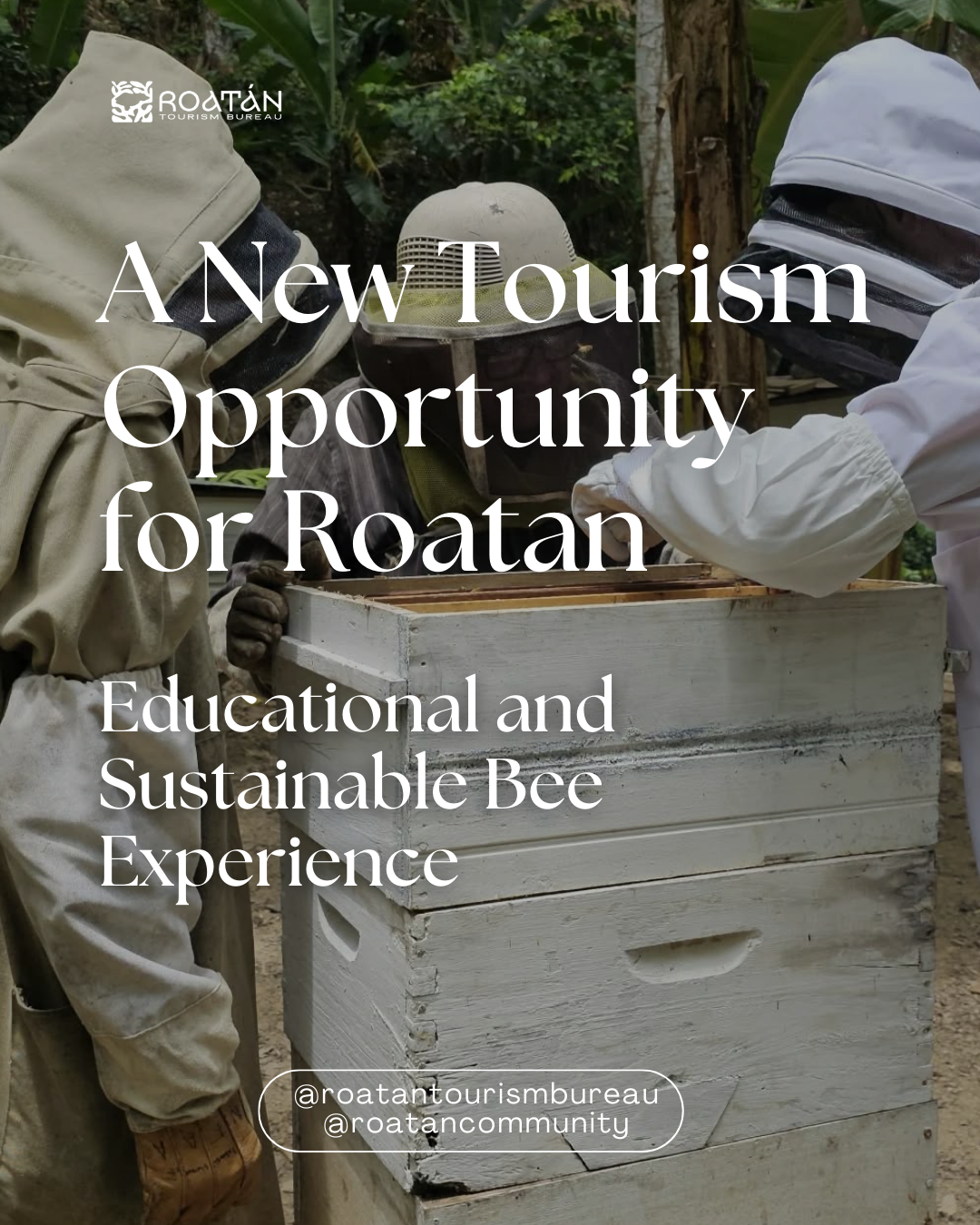
Roatan is widely known for its turquoise waters, world-class diving, and vibrant marine life, but a new kind of experience is beginning to take shape—one that invites travelers to look inland, explore the island’s ecological richness, and connect directly with the people protecting it. This week, the Roatan Marine Park (RMP) welcomed a delegation of beekeepers from North America for a specialized visit to Island Honey, one of the island’s most inspiring community-led projects focused on sustainability, conservation, and local empowerment. Their visit not only highlighted the success of the initiative but also opened conversations about creating a specialized beekeeping tourism excursion for 2026, a move that could position Roatan as a standout destination for eco-educational travel.
Beekeepers from North America Explore Roatan’s Sustainable Honey Movement
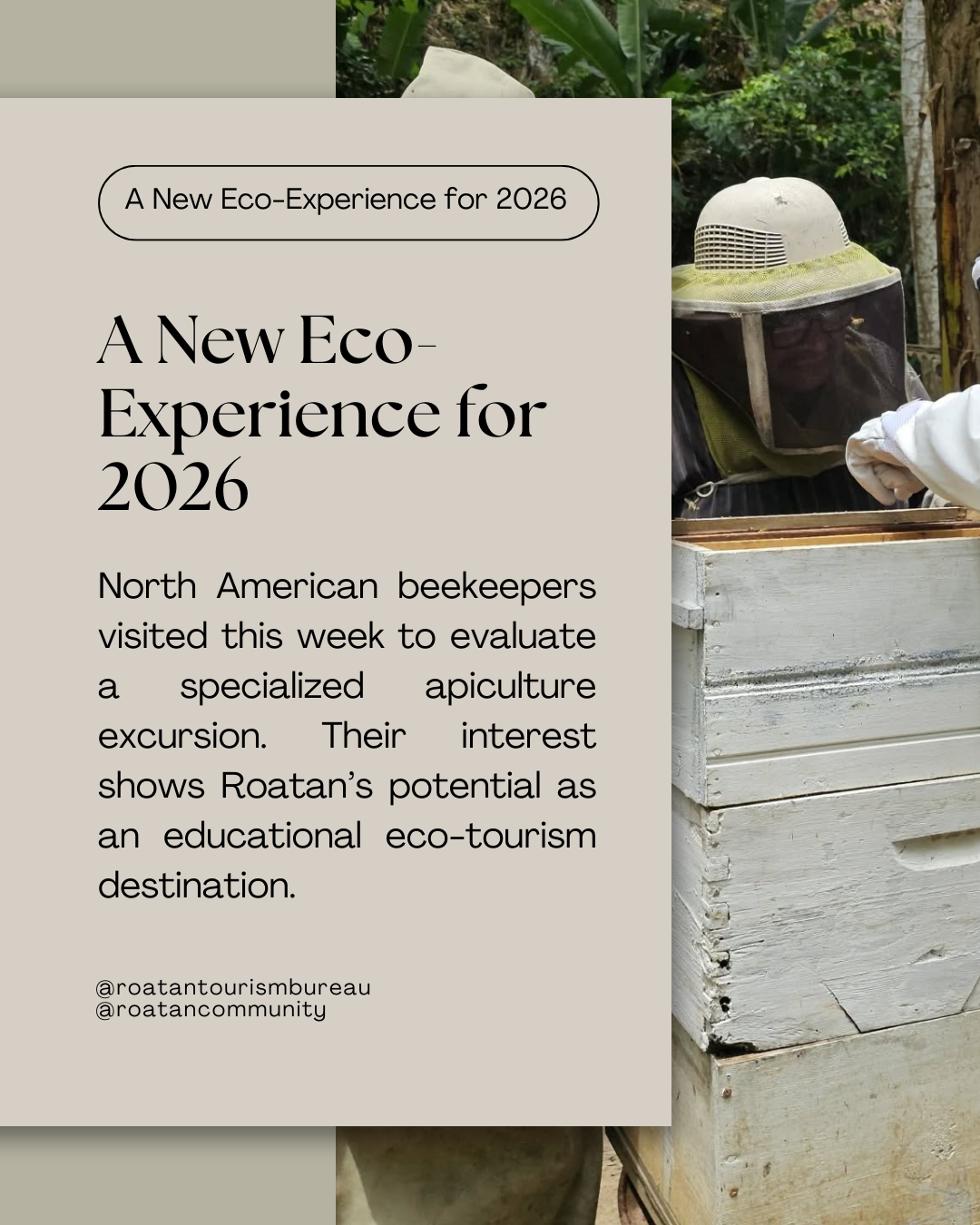
During their visit, the group of North American apiculturists toured the Island Honey Apiary and received an up-close view of the island’s growing beekeeping sector. They observed active hives, spoke with local beekeepers, and toured the facilities where raw honey is harvested, processed, and packaged.
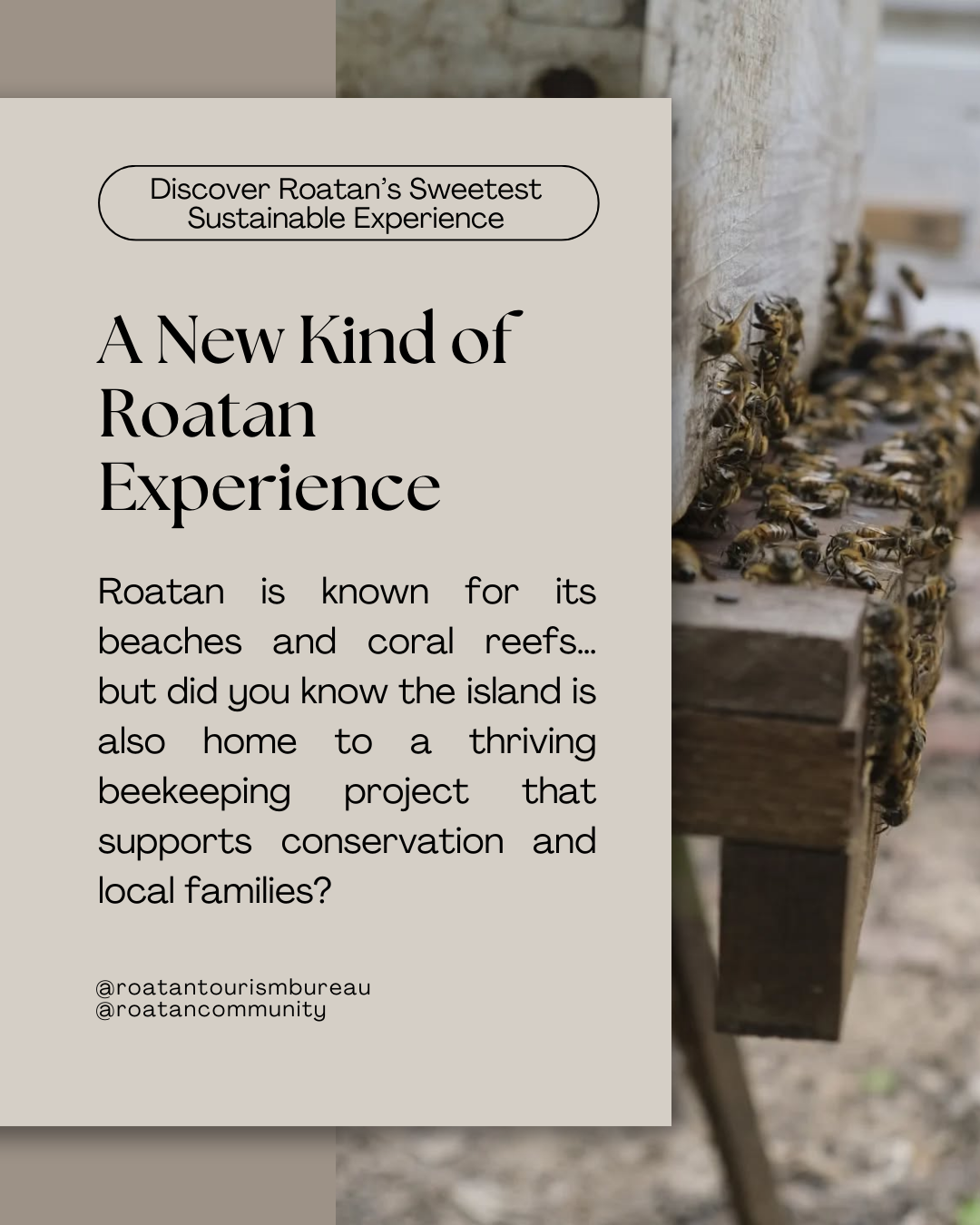
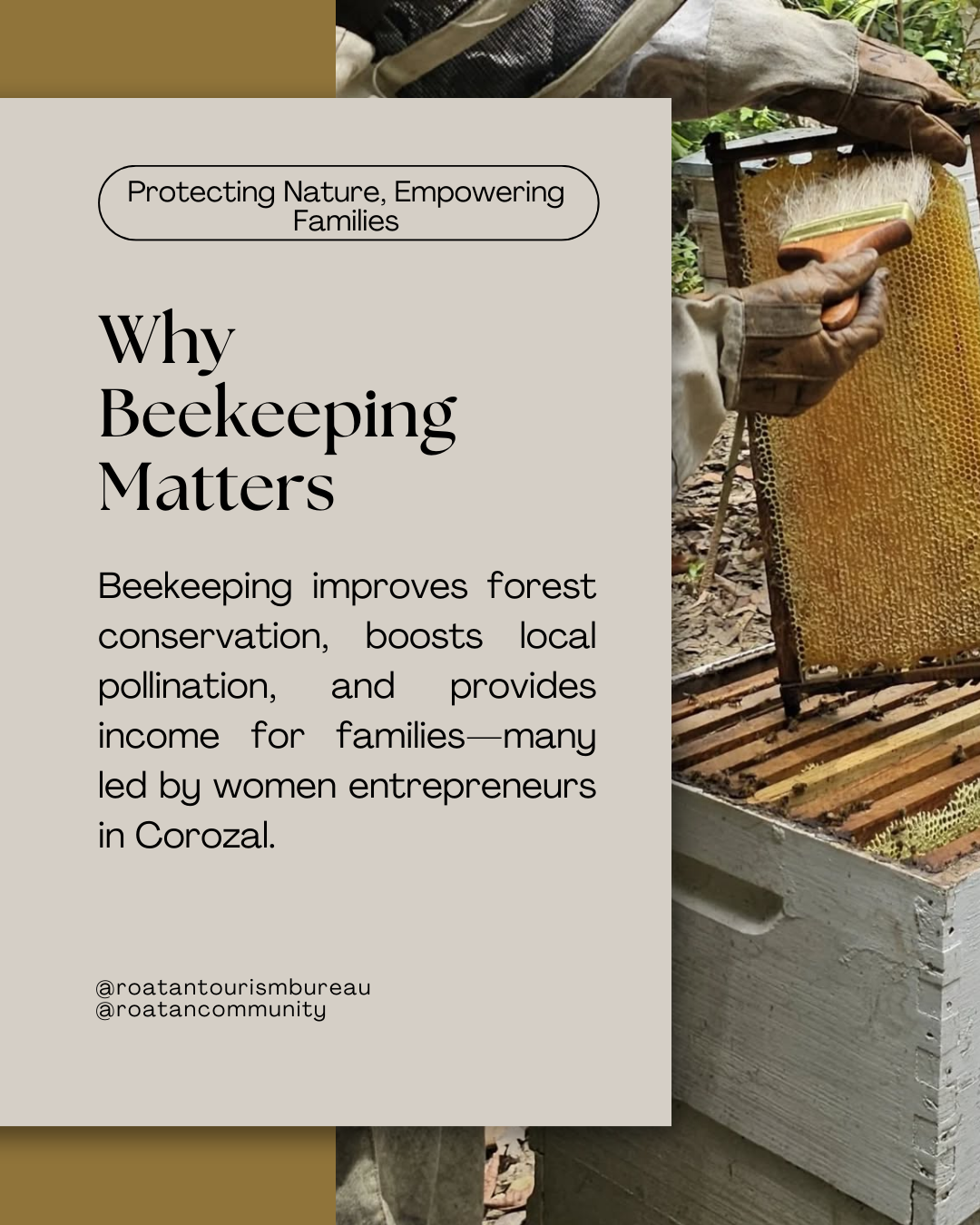
Throughout the experience, representatives from the RMP emphasized how meaningful this shift has been for the island. Many local families—especially in communities like Corozal—have transitioned from relying solely on fishing to adopting sustainable livelihoods that protect the environment rather than place pressure on it. Beekeeping has emerged as one of the most successful alternatives, offering a steady source of income, strengthening local ecosystems through pollination, and empowering families who once faced economic instability.
Island Honey: A Model for Conservation, Entrepreneurship, and Responsible Tourism
The Island Honey project began as a strategic effort to reduce pressure on marine resources and support local families in the transition toward sustainable income streams. With guidance from the Roatan Marine Park and other community organizations, the initiative has flourished into a thriving example of how conservation can go hand-in-hand with economic development.
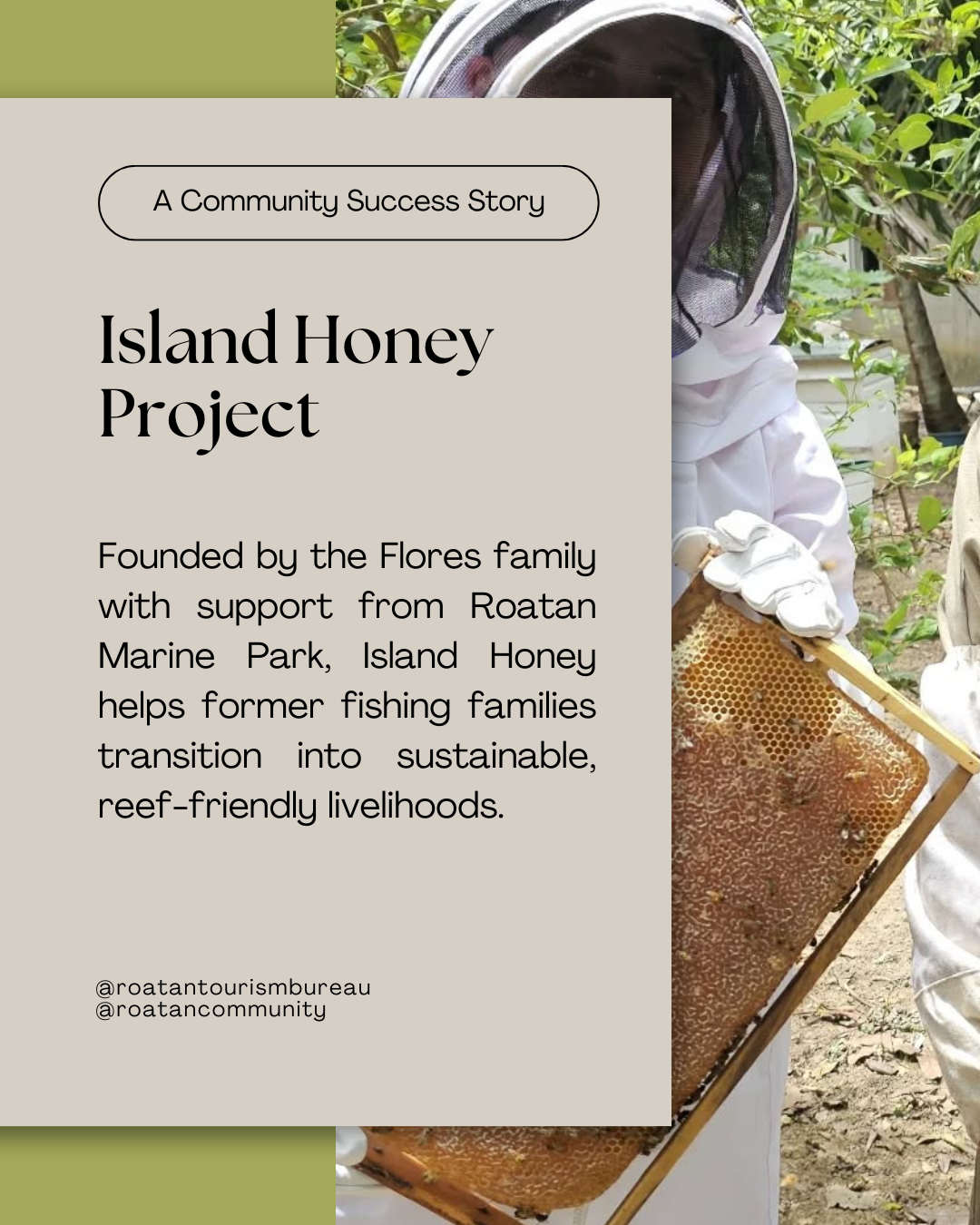
The Flores family, owners of the Island Honey Apiary, represent this change. Once dependent on fishing, the family shifted to beekeeping in 2015 through an RMP-supported sustainable livelihood program. Today, their apiary not only produces high-quality, reef-friendly honey but also serves as a living classroom for travelers, students, and community members alike. Their success demonstrates how responsible initiatives can sustain families, restore natural habitats, and inspire other communities to diversify their income sources.
A New Tourism Opportunity for Roatan: Educational and Sustainable Bee Tours
The recent visit from North American apiculturists signals a growing global interest in experiences that blend education, sustainability, and authentic cultural engagement. The potential development of a specialized bee-tourism experience for 2026 aligns perfectly with this trend. Travelers today are seeking more meaningful activities—opportunities to learn about biodiversity, support local communities, and participate in responsible tourism efforts.
If launched, the tour would not only attract visitors passionate about nature and conservation but also contribute to the economic resilience of local families. It would diversify Roatan’s tourism offerings beyond the beaches and reefs, adding an inland experience that strengthens the island’s appeal as a holistic ecotourism destination.
What the Island Honey Tour Currently Offers
Today, visitors can already participate in the Island Honey Apiary Tour, an immersive experience designed to educate and inspire. The tour is fully hands-on and ideal for travelers looking for something different, meaningful, and environmentally responsible.
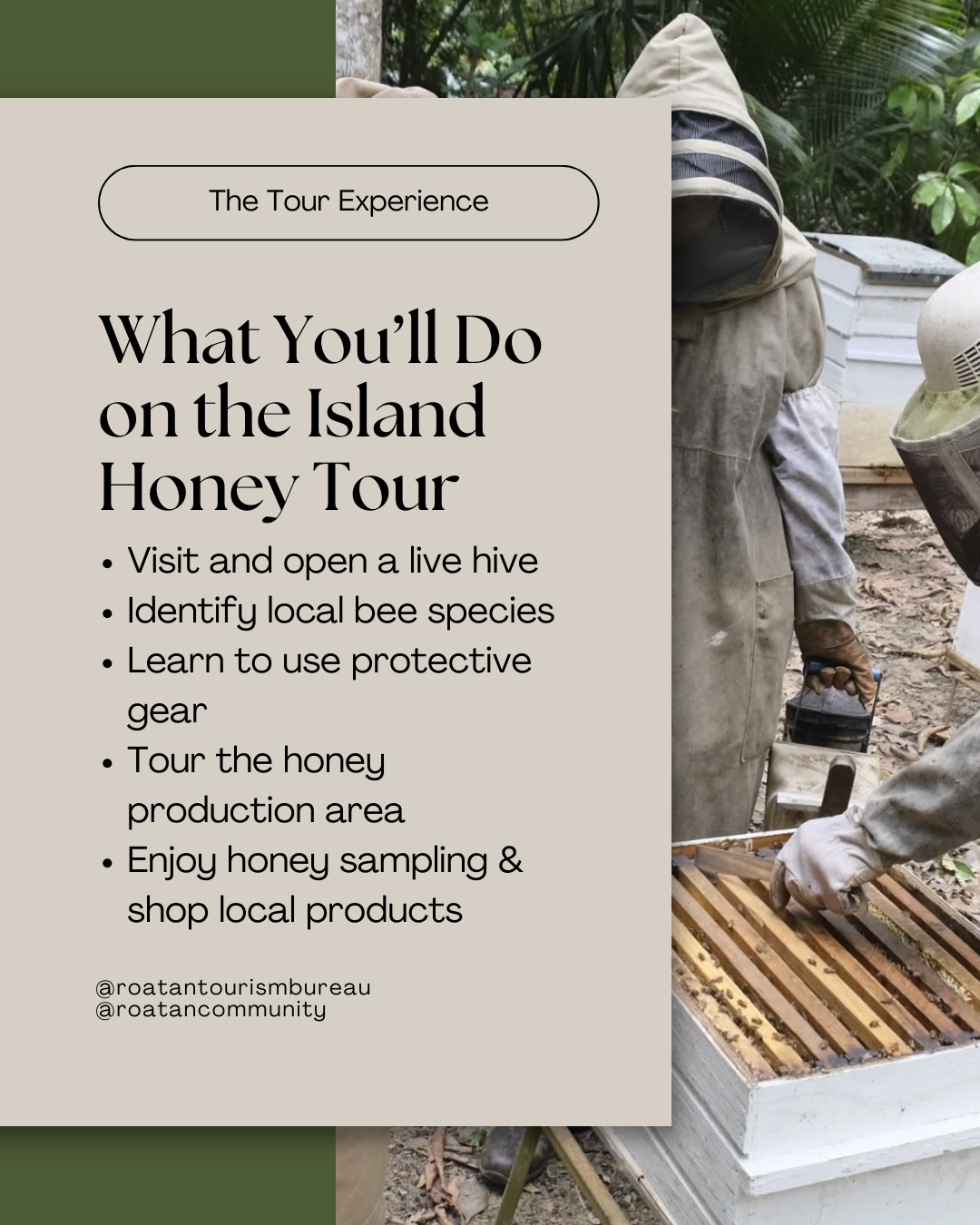
Guests can expect the following:
Visit and Open a Live Hive
Suit up in protective gear and stand just inches away from active bee colonies. Visitors learn how hives function, how bees communicate, and how beekeepers care for them safely and ethically.
Spot and Identify Different Local Bee Species
Roatan’s climate supports several unique bee varieties, and guests are guided in identifying the different species that inhabit the island.
Learn to Use Protective Beekeeping Gear
Participants are taught how to safely use beekeeping suits and equipment—an interactive demonstration that blends safety, education, and adventure.
Explore the Honey Production Site
The tour includes a behind-the-scenes look at how Island Honey is collected, filtered, processed, and packaged. This insight highlights the care and precision behind every jar.
Enjoy Honey Sampling and Shop Local Products
The experience concludes with a tasting of fresh, sustainably harvested honey and an opportunity to purchase handmade products created by the Flores family. Every purchase directly supports the community and reinforces reef-friendly livelihoods. Island Honey is sustainably produced in Corozal by the Flores family, who continue to demonstrate how beekeeping can be a powerful tool for both community development and marine conservation.
Empowering Local Families and Supporting Women Entrepreneurs
One of the most significant outcomes of the Island Honey initiative has been its role in empowering local families—especially women. Many of the island’s beekeepers are women entrepreneurs who have embraced apiculture as a way to support their households while contributing to the protection of forests and rural ecosystems. Their leadership is reshaping local economies, inspiring community pride, and helping preserve the island’s natural beauty for future generations.
Roatan’s Future as a Sustainable Tourism Destination
The evaluation conducted during this week’s visit concluded with a tasting session and a preliminary assessment of the tour’s tourism potential. The results were overwhelmingly positive. If the proposal moves forward, the introduction of a dedicated apiculture-based tourism experience for 2026 could add a new dimension to Roatan’s travel offerings—one that combines environmental education, nature immersion, cultural exchange, and community-driven economic development.
This initiative aligns perfectly with the global movement toward responsible and sustainable travel. By supporting projects like Island Honey, visitors play an active role in conserving Roatan’s ecosystems, uplifting local families, and building a more resilient tourism economy. For Roatan, the future of tourism may not only be found under the waves but also in the buzzing heart of its flourishing beehives.